


In short
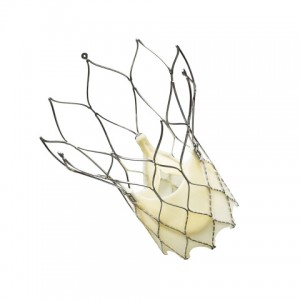
St.Jude Medical, Inc. has gained CE Mark approval for its 23 mm Portico™ Transcatheter Aortic Heart Valve and Transfemoral Delivery System. The company’s valve, which it says is uniquely re-sheathable, could potentially lead to improved, accurate placement and reduced paravalvular leak compared with what St.Jude is calling the first generation products.
Background
Like the other CE marked transcatheter offerings from Edwards and Medtronic, St.Jude’s Portico valve is approved for use in patients with severe aortic stenosis who are considered to be inoperable or high risk for conventional open-heart valve replacement surgery. The Portico valve is implanted through a small incision in the femoral artery, using a catheter placed percutaneously to deliver and position the valve in the heart and occurs while the heart continues to beat.
Featuring leaflets made of bovine pericardial tissue attached to a self-expanding stent, the Portico valve was designed to help increase physician control and placement accuracy during deployment of the valve.
Dr. Ganesh Manoharan of Royal Victoria Hospital in Belfast, U.K. recently presented first-in-human (FIH) 12-month data demonstrating the safety and efficacy of the Portico transcatheter heart valve at the recent Transcatheter Cardiovascular Therapeutics (TCT) scientific symposium, sponsored by the Cardiovascular Research Foundation. In the study, there were no vascular complications, major strokes or deaths among study patients and no new pacemakers required. Clinical improvements that were noted at earlier follow-up intervals were sustained out to 12 months (including valve function).
“The ability to completely resheath, reposition or retrieve the Portico valve is an important improvement over previous-generation transcatheter valves,” said Dr. Manoharan. “This is particularly helpful in ensuring accurate placement of the valve and minimizing complications for this high risk population.”
Company comments
“The European approval of the Portico transcatheter valve signals the imminent availability of a next-generation treatment option that can help improve quality of life for patients with diseased or damaged aortic heart valves,” said Frank J. Callaghan, president of the St. Jude Medical Cardiovascular and Ablation Technologies Division. “It also represents a key milestone for St. Jude Medical’s transcatheter heart valve program, and exemplifies our focus on developing technologies that advance the practice of medicine.”
For additional information about the Portico valve click here.
Source: St.Jude Medical, Inc., Business Wire
published: November 19, 2012 in: Approval/Clearance, Cardio, St Jude